What Is a Revealing Sponge?
What Is a Revealing Sponge?
A revealing sponge, sometimes called a surprise-inside cake or a gender reveal cake, is a sponge cake that conceals coloured filling, coloured sponge layers, or hidden shapes inside its otherwise plain exterior. When you cut into it, the inside reveals a colour, a pattern, or a message. The exterior gives nothing away. The reveal happens at the moment of slicing.
These cakes have become enormously popular for gender reveal parties, baby showers, birthdays, and milestone celebrations. The concept is simple, but the execution ranges from straightforward to technically demanding, depending on how elaborate the interior design is intended to be.
How a Revealing Sponge Works
The basic principle involves hiding something visually striking inside a cake that looks completely ordinary from the outside. The most common version uses coloured sponge layers, typically pink or blue for gender reveal purposes, sandwiched between layers of white or neutral buttercream. When sliced, the coloured interior becomes visible for the first time.
More complex versions use cut and construct techniques. Individual sponges are baked, cooled, and then cut into shapes. These shapes are arranged inside a larger cake batter before the whole thing bakes together. When the finished cake is sliced, the cross-section reveals a heart, a star, a number, or whatever shape was assembled inside. The surrounding sponge holds everything in place during baking, and the different coloured doughs create the contrast that makes the shape visible.
The Most Common Types of Revealing Sponge
Coloured layer cakes are the simplest form. Bake two or more sponge layers. Use gel food colouring in the batter. Cover the outside in plain white, cream, or lightly decorated buttercream. When cut, the layers show the hidden colour. This approach works particularly well for gender reveals because the colour reads instantly and dramatically across an entire slice.
Surprise-inside cakes with shaped centres require more preparation. You bake a smaller sponge in the reveal colour, cut out shapes using a cookie cutter or sharp knife, then stack those shapes vertically inside a loaf tin or round tin before pouring neutral batter around them. The outer batter bakes and sets around the shapes, locking them in place. Slice the finished cake, and each cross-section shows the hidden shape surrounded by the plain sponge.
Piñata cakes take a different approach entirely. The baker hollows out the centre of a stacked layer cake and fills the cavity with sweets, sprinkles, or small chocolates. The outside looks like a standard frosted cake. When the first slice is removed, the sweets spill out from the centre. This style works brilliantly for children’s parties and delivers both visual impact and an immediate edible reward.
Checkerboard cakes use two contrasting sponge colours arranged in a precise geometric grid. Specialist ring cutters create concentric circles of alternating colours, which are then slotted together before assembly. Each slice reveals a perfect checkerboard pattern. The technical precision required makes this one of the more challenging versions to execute cleanly, but the result is genuinely impressive.
Choosing the Right Sponge Recipe
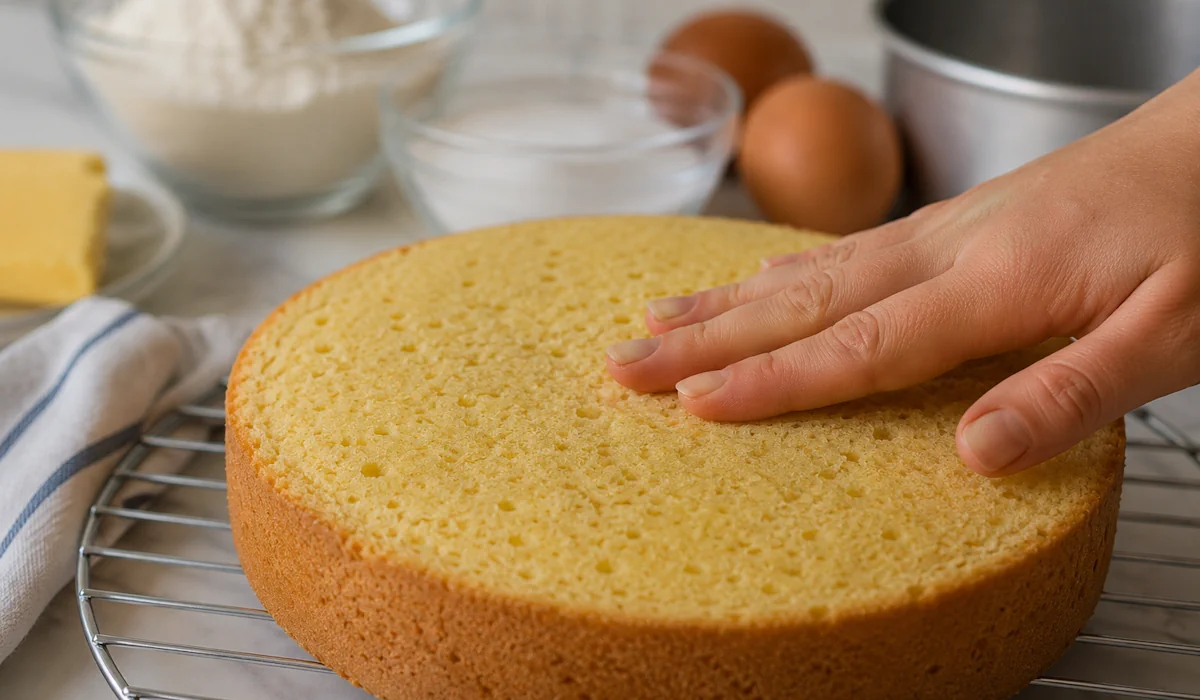
Not every sponge recipe suits a revealing cake. You need a batter that is dense enough to hold its structure during baking and slicing, but not so heavy that it becomes dry or crumbly. A standard Victoria sponge or Madeira cake recipe works well for most versions. Madeira cake in particular has a firmer crumb that holds cut shapes more cleanly during baking, which matters enormously when precise internal patterns are involved.
Avoid very light or airy sponges for shaped interiors. A delicate chiffon or genoise will not support the structure of an embedded shape as the batter rises and sets around it. The shape distorts, and the reveal loses its impact.
Food Colouring Matters More Than You Think
Always use gel or paste food colouring rather than liquid. Liquid colouring dilutes the batter, affects the consistency, and rarely produces a strong enough colour to create a clear visual reveal. Gel colouring delivers vivid, concentrated colour without altering the batter’s texture. For a pink or blue gender reveal, you want the colour to be genuinely bold, not pastel and ambiguous, so use more gel than you think you need. Test bake a small amount first.
Decorating the Outside
The exterior decoration should give nothing away. A smooth white or ivory buttercream finish, a simple drip glaze, or even a plain dusting of icing sugar all work well. Elaborate exterior decoration actually detracts from the impact of the reveal. It’s because the contrast between a plain outside and a dramatic inside is precisely what makes the moment land. Keep it clean, keep it simple, and let the interior do the work.