How Many Finger-Slices Can I Get Out of a 2-Tier Cake?
How Many Finger-Slices Can I Get Out of a 2-Tier Cake?
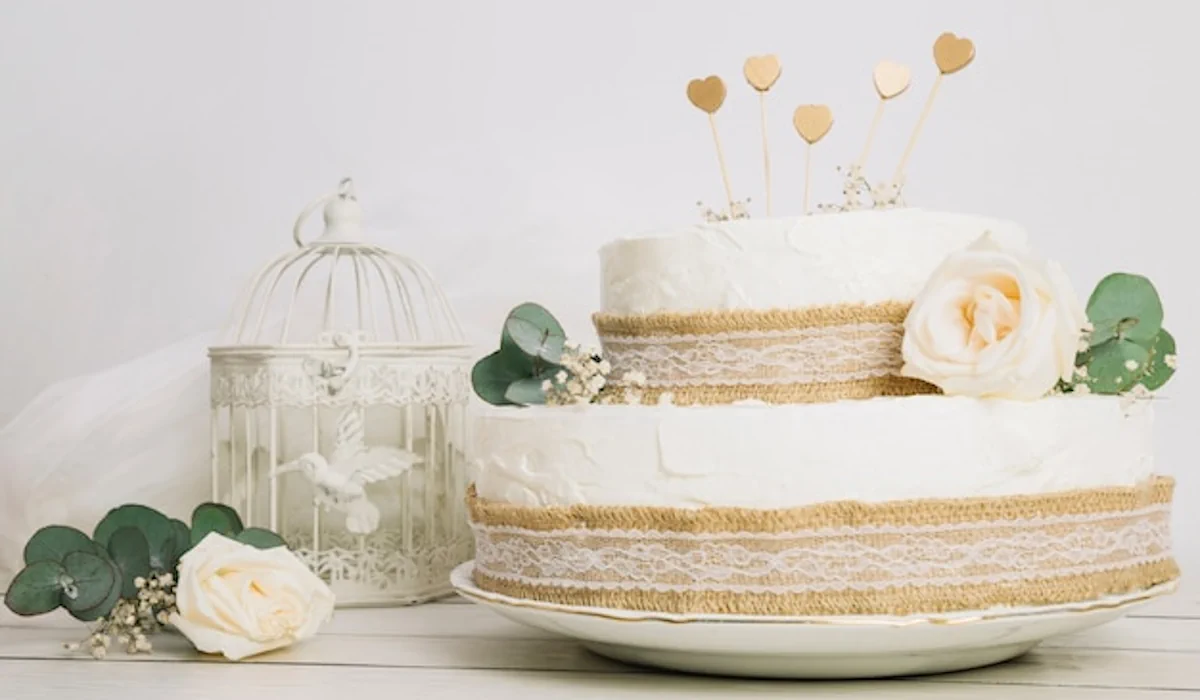
A 2-tier cake offers an elegant centrepiece for weddings, birthdays, and formal celebrations. Yet one practical question always comes first. How many finger-slices will it serve? The answer depends on the cake’s diameter, the height of each tier, and how precisely the cake is cut.
A finger slice is a thin, rectangular portion, commonly served at weddings, corporate events, and receptions. This portion size measures roughly 1 inch by 2 inches. It allows hosts to serve many guests without cutting large dessert portions.
When cut correctly, a two-tier cake feeds more guests than many expect.
Standard Finger-Slice Portion Size
Professional caterers rely on a standard measurement when calculating cake servings. The typical finger-slice portion measures:
- 1 inch wide
- 2 inches long
- Full cake height
This size suits events with additional desserts, keeping portions tidy.
Narrow slices enable a single tier to yield many servings if sliced carefully.
Common 2-Tier Cake Sizes and Servings
Most bakeries make two-tier cakes with standard round diameters. The top tier sits smaller than the base tier, creating balance and visual appeal.
Below are typical two-tier cake sizes and their estimated finger-slice servings.
6-inch top tier with 8-inch bottom tier
- 6-inch tier: around 12 finger slices
- 8-inch tier: around 24 finger slices
Total servings: about 36 finger slices
This size is suitable for small weddings, engagement parties, and family gatherings.
6-inch top tier with 10-inch bottom tier
- 6-inch tier: around 12 slices
- 10-inch tier: around 38 slices
Total servings: about 50 finger slices
This pairing suits medium-sized events.
8-inch top tier with 10-inch bottom tier
- 8-inch tier: around 24 slices
- 10-inch tier: around 38 slices
Total servings: about 62 finger slices
This size is often used for weddings with 50 to 60 guests.
8-inch top tier with 12-inch bottom tier
- 8-inch tier: around 24 slices
- 12-inch tier: around 56 slices
Total servings: about 80 finger slices
This larger configuration is suitable for receptions and corporate events.
How Cake Height Affects Servings
Cake height plays a major role in the number of servings. A standard celebration cake measures around 4 inches tall. Many modern cakes stand 5 to 6 inches tall.
Taller cakes make thicker slices. Bakers sometimes split tall tiers horizontally, doubling servings.
For example:
- A 6-inch-tall tier can yield nearly twice as many servings as a short cake.
- A double-barrel cake often provides significantly more portions.
Confirm the final cake height before ordering. It impacts serving count.
Proper Method for Cutting Finger-Slices
Proper cutting ensures the most servings. Many hosts lose portions through incorrect technique.
Professional cake cutting follows a clear process.
- Remove the top tier and set it aside.
- Slice the bottom tier into vertical strips about 1 inch wide.
- Turn each strip sideways.
- Cut 2-inch finger portions from each strip.
- Repeat with the top tier.
This method makes uniform slices and avoids large wedges that cut servings.
Round Cake Cutting Chart for Finger Portions
Bakers use structured cutting patterns. The chart below offers practical estimates.
Round cake finger-slice guide
- 6-inch cake: about 12 servings
- 8-inch cake: about 24 servings
- 10-inch cake: about 38 servings
- 12-inch cake: about 56 servings
When stacked, these cakes yield the final total servings.
Factors That Change the Final Serving Count
Several factors influence the total number of slices.
Cake shape
Round cakes remain the most common. Square cakes often yield more finger slices because the edges allow more efficient cutting.
Decoration thickness
Thick fondant or buttercream reduces the usable cake area. Simple frosting allows precise slicing.
Cake density
Dense cakes, such as fruit cake, can be cut into smaller portions easily. Light sponge cakes sometimes require slightly larger slices to hold shape.
Event style
Formal events favour small finger slices. Birthday parties often prefer larger portions.
Adjust estimates for different event styles and serving preferences.
Why Two-Tier Cakes Serve More Guests Than Expected
A two-tier cake offers both visual impact and efficient portioning.
The stacked design creates:
- More vertical cake height
- Two separate cutting surfaces
- Better portion control
This structure enables many neat portions without oversized wedges.
Even modest two-tier cakes can serve 40 to 80 guests, depending on diameter.
Example Serving Scenario
Consider a typical 8-inch and 10-inch two-tier cake.
The cutting process produces:
- 24 finger slices from the top tier
- 38 finger slices from the base tier
Total servings: 62 finger portions
At a dessert reception, this typically serves all guests.
Choosing the Right 2-Tier Cake Size
First estimate guest numbers, then choose a cake size to match.
General guidelines work well:
- 30 to 40 guests: 6-inch and 8-inch tiers
- 45 to 60 guests: 6-inch and 10-inch tiers
- 60 to 80 guests: 8-inch and 12-inch tiers
This ensures each guest gets a neat finger slice.
A Practical Serving Guide
A well-cut 2-tier cake usually yields 36 to 80 finger-sized slices, depending on the size and cutting method.
For events, the two-tier cake remains practical. It offers elegance and enough servings for large guest lists without needing a giant dessert table.