Do Cake Colours Affect Taste?
Do Cake Colours Affect Taste?
When you cut into a beautifully decorated cake, it is easy to wonder whether the vibrant colours affect the flavour. While colour does not directly alter the chemical makeup of the cake, it can influence how we perceive its taste. Here is how.
The Psychological Link Between Colour and Flavour
Colour plays a significant role in how the brain interprets taste. Bright colours are often associated with bold flavours. For example, a bright red cake might taste like strawberries or cherries. If the flavour does not match the colour, it can lead to a disconnect, making the cake feel less satisfying.
It is called cross-modal perception. The brain combines visual cues with taste and smell to create a sensory experience. A pale and bland-looking cake might be perceived as less tasty, even if it tastes amazing.
How Colourants Can Change Texture and Taste
Artificial food colouring does not directly impact flavour but can slightly affect texture and aftertaste. Liquid food colourings can alter the cake consistency. This change in texture might influence how the cake feels in your mouth, subtly altering the overall taste experience.
Natural food dyes, like beetroot powder or turmeric, can add subtle flavours. While mild, these can create an unexpected twist, especially in lighter cakes.
Colour Associations and Taste Expectations
Some colours go with flavours. Purple often signals grape or berry. Yellow suggests lemon. Green might evoke lime or mint. When these associations do not align with the cake’s flavour, it can confuse the palate.
For instance, if you bite into a green cake expecting lime but taste vanilla, your brain may initially reject the flavour. It does not mean the cake is not tasty, but it challenges your expectations, creating a surprising or disappointing experience.
Does Colour Intensity Make Cake Taste Sweeter?
Research shows that people associate brighter, more saturated colours with stronger and sweeter flavours. For example, a deep pink frosting might be perceived as more sugary than a pale pastel, even if the sugar content is identical. The brain links bold colours with richness and intensity.
Cake makers often use vibrant colours for bold-flavoured cakes like chocolate, raspberry or passionfruit. The colours prime the eater for an intense experience, making the flavours feel more aligned with their expectations.
The Importance of Balance
Colour in cake design should enhance the eating experience, not overpower it. Overuse of artificial colours can result in bitter aftertastes or staining on the tongue. On the other hand, subtle, well-placed hues can elevate a cake’s appeal without compromising taste.
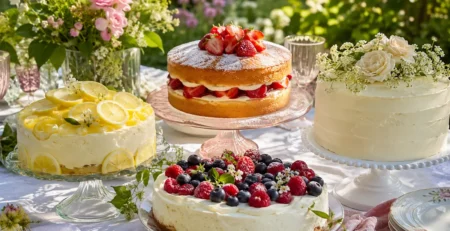
Matching colours to flavours helps to create a cohesive sensory experience. For example, pairing a soft orange colour with a citrus sponge ensures the appearance matches the taste, enhancing the satisfaction of every bite.
Conclusion
While cake colours don’t chemically change taste, they profoundly shape our perception. Colour sets expectations and primes the palate. Bright, bold designs can amplify the flavour experience, but mismatches or excessive colouring can detract from it. Striking the right balance between appearance and taste is the key to creating cakes that delight both the eyes and the tongue.