1st Birthday Cake For Baby Girl
1st Birthday Cake For Baby Girl
Celebrating a first birthday requires a cake that combines sweetness, charm, and safety. A baby girl’s cake should feel delicate but bold enough to draw attention. Every detail, from flavour to decoration, matters. The design must be playful, but elegant, suitable for photographs and lasting memories.
Designs That Capture Innocence
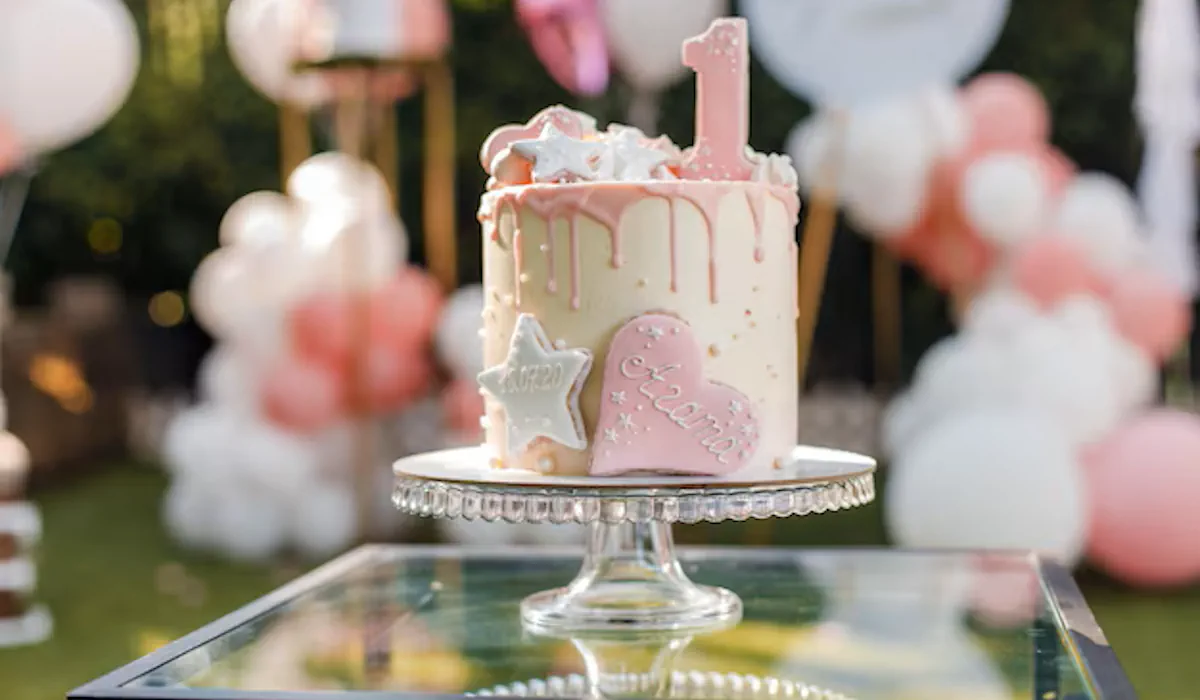
Popular designs for a baby girl’s first birthday include soft floral motifs, pastel colour palettes, and whimsical shapes. Round tiers dominate, often with smooth buttercream or fondant finishes. Single-tier cakes are best for smaller gatherings, while multi-tiered cakes are good for larger parties. Bakers use precise piping, delicate ruffles, and gentle textures to create visual depth in the cake. Tiny sugar flowers or fondant bows bring charm without clutter.
Animal themes remain popular. Baby bunnies, teddy bears, or woodland creatures in pastel tones create a playful atmosphere. Designs may feature small figurines integrated into the cake or as toppers, keeping the cake both decorative and safe for the child.
Colour Palettes for First Birthdays
Colour choice shapes the cake’s appeal. Soft pinks, blush, ivory, and pale peach dominate. Subtle contrasts like mint, lavender, or cream add dimension. Metallic accents, such as thin gold lines or rose gold edges, appear sparingly, framing decorations without overpowering the design. Ombre effects remain popular but with gentle transitions that maintain a delicate aesthetic. Colour combinations align with party décor to maintain visual harmony.
Flavours Suited to Young Palates
Flavours are mild yet sophisticated. Buttercream remains a favourite, often paired with vanilla bean sponge, lemon sponge, or light strawberry sponge. Fillings include fruit purées, gentle creams, or smooth custards. Cakes avoid strong spices or excessive sweetness. Layers may combine textures, such as soft sponge, smooth mousse, and subtle crunch from biscuit or almond praline, creating interest while remaining suitable for young guests.
Safe and Edible Decorations
First birthday cakes prioritise edible, non-toxic decorations. Fondant figurines, sugar flowers, and piped designs still dominate. Fresh fruit may appear as small, soft berries, carefully positioned. Avoid hard sugar shards or decorations that pose a choking risk. Every element must be secure and age-appropriate while remaining visually striking.
Toppers are scaled for small cakes. Large, heavy toppers are replaced with mini figurines or edible messages. Names, initials, or a “1” can appear in fondant or chocolate. Piping techniques highlight edges and create structured patterns without overcrowding the cake.
Textures and Finishes
Smooth, soft textures work best. Buttercream can be sculpted into ruffles, swirls, or soft waves. Fondant provides a polished finish for sharp designs or geometric shapes. Matte finishes dominate over gloss. Details such as embossed patterns or subtle ridges create interest while maintaining safety and aesthetic appeal. Cakes with multiple textures can feel modern yet playful.
Mini Cakes and Portions
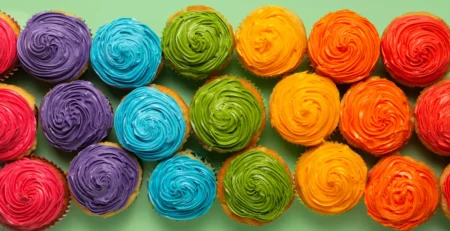
Mini cakes or cupcakes complement the main cake. Each child can enjoy a personalised portion. Cupcakes maintain design consistency through colour, small decorations, and miniature toppers. This method allows multiple flavours while keeping the display visually coordinated. Mini cakes also create practical serving options for guests.
Dietary Considerations for Young Children
Cakes for babies often consider dietary restrictions. Gluten-free sponges now match traditional texture. Vegan creams taste smooth and light. Natural colourings replace synthetic dyes. Ingredients remain simple: real butter, fresh fruit, pure chocolate. Sweetness is reduced, ensuring the cake tastes pleasant without being overwhelming for little ones.
Presentation and Styling
Presentation enhances the cake’s visual impact. Simple, clean stands emphasise design. Wooden or mirrored boards add subtle elegance. Decorations on the table, like small flowers or balloons, complement the cake. Lighting plays a role: soft, diffused light highlights textures and colours, making the cake the centrepiece for photographs.
Conclusion
A 1st birthday cake for a baby girl balances charm, flavour, and safety. The design should feel delicate yet structured. Flavours remain mild but layered for texture. Decorations are playful but secure. Colours coordinate with party themes, and presentation enhances the overall impact. The cake becomes a lasting memory, combining visual delight with taste suitable for all ages, marking a milestone in style and elegance.