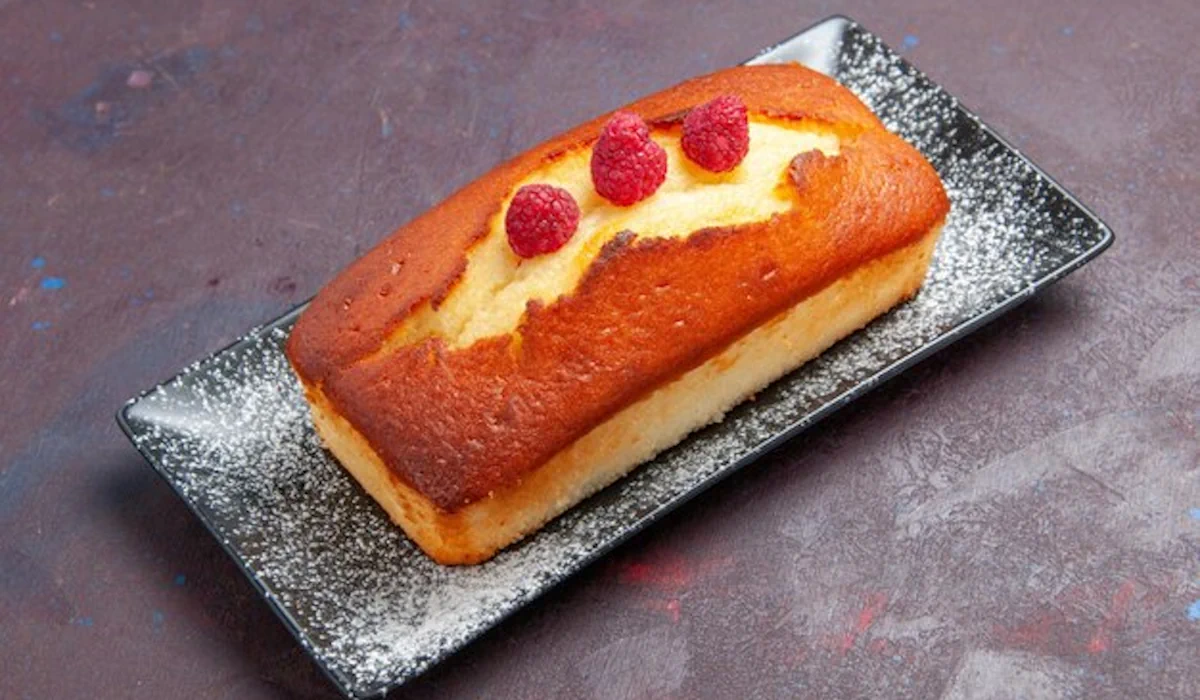
How Long Can a Sponge Cake Sit Out Before It Goes Dry?
How Long Can a Sponge Cake Sit Out Before It Goes Dry?
A fresh sponge cake is light, soft, and airy. Its delicate texture comes from whipped eggs, sugar, and flour, not heavy fats. This structure creates a beautiful crumb, but also means the cake loses moisture faster than other cakes. Once exposed to air, the sponge gradually dries.
At room temperature, a plain sponge cake can sit out for about 6 to 8 hours before it becomes noticeably dry. Timing depends on factors such as air, temperature, humidity, and whether the cake is covered.
Proper handling keeps the sponge tender much longer.
What Happens to Sponge Cake When It Sits Out
A sponge cake contains tiny air pockets formed during mixing and baking. These pockets trap moisture. When the cake sits uncovered, that moisture slowly escapes.
The process begins at the surface.
The outer layer loses softness first. The crumb firms. Small cracks may appear at exposed edges. Uncovered overnight, the cake often becomes dry and crumbly.
Sponge cakes contain little fat. Without that barrier, moisture escapes the crumb quickly.
For this reason, bakers protect the sponge layers carefully after baking.
Safe Time a Sponge Cake Can Remain at Room Temperature
Most sponge cakes retain quality for only a limited time at room temperature.
Typical time limits include:
- Uncovered sponge cake: about 4 to 6 hours
- Covered sponge cake: about 8 to 10 hours
- Fully frosted sponge cake: about 12 hours
A layer of buttercream or ganache acts as a light seal. It slows moisture loss. Cakes with frosting, therefore, remain softer for longer periods.
If the cake contains cream fillings, refrigeration becomes necessary much sooner.
How Humidity Changes Drying Time
Humidity strongly affects sponge cake texture. Moist air slows evaporation. Dry air accelerates it.
In humid kitchens, a sponge cake can stay soft longer. The crumb retains moisture because the surrounding air already contains water vapour.
In dry indoor environments, especially during winter heating, sponge cakes lose moisture rapidly. The cake surface may firm up within only a few hours.
For events held in air-conditioned venues, bakers usually keep cakes covered until serving time.
Plain Sponge vs Filled Sponge Cakes
Fillings and frostings affect how long sponge cakes stay moist.
Plain sponge cake dries fastest, with no protection for the crumb.
A layered sponge cake with buttercream or jam keeps moisture longer. The filling creates a barrier.
Examples include:
- Victoria sponge with jam and cream
- Chocolate sponge with buttercream
- Lemon sponge with curd filling
These cakes stay tender because the fillings add moisture.
How Bakers Keep Sponge Cake Moist
Professional bakers use several methods to prevent sponge cakes from drying out.
One common technique involves simple syrup brushing. After baking, bakers lightly brush the sponge layers with sugar syrup. The syrup absorbs into the crumb, adding moisture.
Bakers wrap cooled sponge layers in plastic wrap to prevent air exposure.
Other helpful techniques include:
- Storing sponge layers in airtight containers
- Covering cakes with buttercream or ganache
- Keeping cakes in cool, shaded spaces
These practices keep sponge cakes soft until serving.
Signs That a Sponge Cake Has Begun to Dry
A sponge cake rarely dries all at once; change is gradual.
Common signs include:
- Firm edges around the cake
- Slightly crumbly texture
- Dull surface instead of soft shine
- Less spring when pressed
A fresh sponge cake bounces lightly when touched. A dry sponge cake feels firm and stiff.
Early dryness usually affects the outside. Cutting away edges can reveal a softer interior.
Can You Revive a Slightly Dry Sponge Cake
A mildly dry sponge cake can still recover with simple methods.
Brushing the cake with light sugar syrup restores moisture quickly. The syrup absorbs into the crumb, softening the texture.
Another option involves adding fresh filling layers, such as:
- Jam
- Fruit puree
- Whipped cream
- Buttercream
These fillings bring moisture back to the cake.
If dryness becomes severe, however, the crumb will not fully return to its original softness.
How Long Decorated Sponge Cakes Stay Fresh
Decorated sponge cakes last longer than plain ones. Frosting creates a protective coating.
Typical freshness windows include:
- Buttercream sponge cake: about 24 hours at room temperature
- Ganache-covered sponge cake: about 24 to 36 hours
- Fondant-covered sponge cake: about 2 days if stored properly
Fondant is one of the strongest barriers; it seals the sponge from air.
Even with decorations, storing the cake in a cool environment helps preserve freshness.
Best Storage Method for Sponge Cake
Proper storage matters.
Let the cake cool completely after baking.
- Wrap the sponge layers tightly in plastic wrap.
- Store the cake in an airtight container.
- Keep it in a cool, dry room away from sunlight.
If the cake contains fresh cream or custard, refrigerate it.
Bring the refrigerated sponge cake to room temperature before serving to restore softness.
Keeping Sponge Cake Soft Until Serving Time
A sponge cake holds its best texture when protected from air. Left uncovered, it begins to dry within several hours. Covered or frosted sponge cakes stay soft much longer.
In most cases, a plain sponge cake can safely sit out for 6 to 8 hours, while a decorated sponge cake remains enjoyable for up to 24 hours. Careful storage, light syrup brushing, and protective frosting help preserve the cake’s delicate crumb so every slice stays moist and tender when served.